
Allergies aren’t the only factors that can cause or worsen asthma symptoms. Premenstrual asthma, exercise-induced asthma, asthma triggered by strong emotions or medications… Learn more about other things to watch out for to prevent attacks.
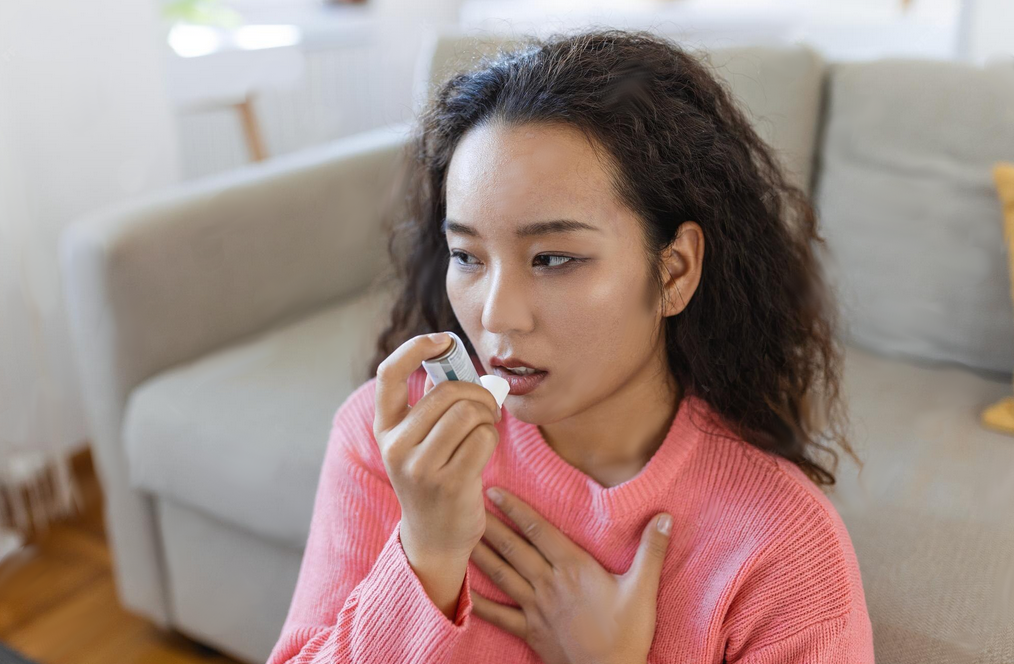
According to World Health Organization estimates, approximately 247 million people worldwide suffer from asthma. Many also have allergies to pollen, dust mites, animals, mold, and other triggers that can cause symptoms and induce attacks. When an attack occurs, the muscles around the airways tighten, the mucous membranes swell and become inflamed, and thick mucus is produced. This results in wheezing, difficulty breathing, and disruption to daily life. However, allergies aren’t the only cause you should be aware of to prevent attacks.
Let’s explore some other causes.
Emotions
Stress, intense anger, sudden fear, and other strong emotions can trigger asthma attacks. Brain imaging studies have demonstrated a link between emotions and inflammatory responses. Therefore, asthma patients are advised to avoid situations that cause fear. But that’s easier said than done…
Sports
Physical activity, especially in cold weather, can be dangerous for asthma patients. There is also a specific type of asthma called exercise-induced asthma that occurs during physical exertion.
However, sports are not strictly forbidden. On the contrary, following certain safety rules can help reduce stress and better control symptoms. That said, some sports should be avoided. Particularly unfavorable factors include scuba diving with oxygen tanks, jogging, swimming in pools where chlorine may worsen asthma, skiing, and ice skating.
The goal is to avoid the combination of hyperventilation, intense exercise, and cold air, which increases the risk of an attack. At least in the early stages, moderate sports that do not require significant respiratory capacity are strongly recommended. If an asthma patient is allergic to pollen, outdoor sports should be avoided during hay fever season or on days with severe air pollution.
Also, remember to warm up for 15 minutes to properly open the bronchi. Training should start and end slowly to avoid sudden exertion.
Consult your doctor about the best type of sport for your condition. If necessary, they may prescribe salbutamol, a medication approved for athletes with asthma. This medication should be taken before exercise and, in some cases, during exercise as well.
Menstruation
Some women experience worsening asthma symptoms during their menstrual cycle. This is related to hormonal changes, specifically estrogen, which sensitizes the airways.
Anti-leukotriene drugs may be prescribed to treat this premenstrual asthma. Oral contraceptives also reduce changes in peak expiratory flow and bronchial hyperresponsiveness.
Food
Rarely, asthma can be triggered by allergic reactions to specific foods such as nuts, milk, shellfish, fish, eggs, wheat, soy, or certain additives. Young children are particularly at risk.
Air Pollution
Toxic particles released into the air from combustion, garbage incineration, and automobile traffic can worsen asthma symptoms. While this association is known, researchers still cannot explain the exact cause.
Medications
Certain medications, such as nonsteroidal anti-inflammatory drugs, beta-blockers, heart medications, and ophthalmic drugs, can worsen symptoms in asthma patients. Consult your doctor about which treatments are right for you.